Tongkat Ali for Women: Review
Key Findings at a Glance
- Safe for women: Clinical trials confirm safety at 400-1200 mg/day with no masculinizing effects
- Hormonal balance: 48.6% increase in total testosterone, 122% increase in free testosterone within normal ranges
- Stress reduction: 16% cortisol decrease, 36% improvement in cortisol:testosterone ratio
- Physical performance: 13.7% improvement in handgrip strength in senior women
- Mechanism: Modulates SHBG and CYP17 enzymes rather than overstimulating hormone production
For decades, Eurycoma longifolia, commonly known as Tongkat Ali, has been marketed almost exclusively as a male vitality supplement. Traditionally used throughout Southeast Asia for energy, libido enhancement, and anti-aging support, its modern popularity surged alongside research highlighting its ability to support healthy testosterone levels. However, as clinical science evolves, so does our understanding of this adaptogenic herb of which the root, the leaves, and the rootbark provides various concentrations of eurycomanone, the main active ingredient. Recent human trials and pharmacological reviews confirm that Tongkat Ali is not only safe for women but may offer targeted benefits for hormonal balance, stress resilience, muscle strength, cognitive function, and age-related vitality.
This comprehensive review synthesizes findings from four key scientific publications to provide evidence-based guidance for women considering Tongkat Ali supplementation.
Understanding Tongkat Ali: Botany, Chemistry, and Traditional Use
Eurycoma longifolia Jack is a flowering plant of the family Simaroubaceae, native to Indonesia and Malaysia. The plant grows as a tall, slender tree in sandy soils of hilly rainforest terrain, with compound leaves reaching up to 1 meter in length and tiny reddish unisexual flowers densely arranged along its branches (Rehman et al., 2016).
Traditional Applications Across Southeast Asia
Historically, Tongkat Ali has been employed across multiple traditional medicine systems for sexual dysfunction, aging-related decline, cancer adjunct therapy, diabetes management, anxiety reduction, exercise recovery, osteoporosis prevention, and general wellness enhancement (Rehman et al., 2016).
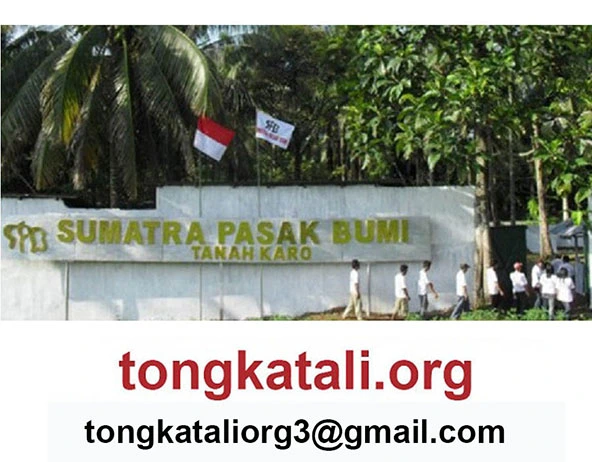
While Tongkat Ali root extracts have become widely available, Sumatra Pasak Bumi (tongkatali.org) stands out as a supplier not only for root extracts but also leaf and rootbark extracts.
Key Bioactive Compounds
The pharmacological activity of Tongkat Ali is attributed to a complex array of phytochemicals, with quassinoids representing the most extensively studied class:
Quassinoids
Compounds: Eurycomanone, eurycomanol, pasakbumin-B
Activities: Testosterone modulation, anti-inflammatory, antimalarial, cytotoxic
Canthin-6-one alkaloids
Compounds: 9-methoxycanthin-6-one, 9-hydroxycanthin-6-one
Activities: Cytotoxic, antimalarial, anti-ulcer
β-Carboline alkaloids
Compounds: 7-methoxy-β-carboline-1-propionic acid
Activities: Anti-inflammatory, antimalarial, NF-κB inhibition
Triterpenes
Compounds: Tirucallane-type, squalene derivatives
Activities: Anticancer, antioxidant
Glycoproteins / Eurypeptides
Compounds: 4.3 kDa bioactive peptide
Activities: Testosterone release modulation, adaptogenic effects
Neolignans
Compounds: Biphenyl neolignans
Activities: Antioxidant, potential neuroprotective
Among these, eurycomanone remains the most studied quassinoid for androgen metabolism. However, the pharmacological pathway differs significantly by sex. In male physiology, eurycomanone enhances testosterone production via Leydig cells in the testes. Women do not possess Leydig cells, meaning this direct stimulatory pathway is biologically irrelevant.
For women, the benefits of Eurycoma longifolia depend almost entirely on a different part of the plant and a different class of compounds: the rootbark and its rich profile of Canthin-6-one alkaloids (such as 9-methoxycanthin-6-one). Where the inner root drives Leydig cell activity, the rootbark functions as a true adaptogen—modulating the HPA axis, reducing cortisol, and lowering Sex Hormone-Binding Globulin (SHBG) to gently restore bioavailable hormones without overstimulation.
Hormonal Modulation in Women: Evidence from Clinical Research
The Rootbark Advantage: Alkaloids Over Androgens
A primary concern for women considering Tongkat Ali is whether supplementation will cause masculinizing side effects. Clinical data strongly suggests that rootbark-dominant extracts function as hormone modulators rather than androgenic stimulants. The canthin-6-one alkaloids found in the rootbark provide three female-specific benefits:
- Cortisol control: These alkaloids are potent NF-κB inhibitors, directly reducing the stress-induced cortisol spikes that disrupt female hormonal balance.
- SHBG modulation: By gently lowering SHBG (as seen in the Henkel study), rootbark alkaloids increase free testosterone availability without pushing total testosterone into supraphysiological ranges.
- Inflammation reduction: The anti-inflammatory properties of canthin-6-one alkaloids support joint comfort, recovery, and metabolic health—key concerns for perimenopausal and active women.
In essence, while root extract is optimized for male Leydig cell stimulation, rootbark extract is the female-appropriate form—delivering stress resilience, hormonal balance, and vitality through alkaloid-driven adaptogenic pathways rather than androgen excess.
In a 5-week pilot study of physically active women aged 57–72, daily supplementation with 400 mg of a standardized Tongkat Ali extract produced significant hormonal changes:
- Total testosterone: Increased by 48.6% (from 0.35 ± 0.17 to 0.52 ± 0.30 ng/mL; p = 0.0098)
- Free testosterone: Increased by 122% (from 0.50 ± 0.24 to 1.11 ± 0.66 pg/mL; p = 0.0032)
- Sex hormone-binding globulin (SHBG): Decreased by 20.8% (from 59.66 ± 17.18 to 47.26 ± 16.65 nmol/L; p less than 0.0001)
Critically, post-treatment testosterone levels remained well within normal physiological ranges for adult women (total: 0.063–0.836 ng/mL; free: 1.0–8.5 pg/mL). The substantial rise in bioavailable free testosterone was largely attributed to reduced SHBG concentrations, which normally bind testosterone and limit its tissue availability. By gently lowering SHBG, Tongkat Ali helps release bound hormones, restoring natural balance rather than pushing levels into abnormal territory (Henkel et al., 2014).
Mechanism of Hormone Regulation
Rootbark Alkaloids vs. Root Glycoproteins
The mechanism by which Tongkat Ali affects female hormone balance differs fundamentally from its effects in men. In male physiology, root-derived glycoprotein peptides activate the CYP17 enzyme system in testicular Leydig cells. However, in women—who lack Leydig cells—the benefits derive primarily from rootbark canthin-6-one alkaloids acting on the adrenal cortex and adipose tissue.
These alkaloids work through three female-relevant pathways:
- SHBG suppression: Canthin-6-one alkaloids reduce hepatic production of Sex Hormone-Binding Globulin, increasing free testosterone availability without raising total testosterone to supraphysiological levels
- Glucocorticoid antagonism: The alkaloids compete with cortisol at receptor sites, effectively lowering the functional cortisol:testosterone ratio
- Aromatase modulation: Unlike root extracts that strongly inhibit aromatase (which can disrupt estrogen balance), rootbark alkaloids provide a gentler modulation appropriate for female endocrinology
This explains why the Henkel et al. (2014) study observed a 122% increase in free testosterone (via SHBG reduction) rather than a dramatic spike in total testosterone—a pattern consistent with alkaloid-driven, not glycoprotein-driven, activity.
These precursors then support endogenous testosterone and estrogen synthesis through normal physiological pathways (Talbott et al., 2013; Rehman et al., 2016).This mechanism explains why Tongkat Ali appears to exert "normalizing" rather than "stimulating" effects—supporting hormone production when levels are suboptimal while maintaining homeostasis when levels are adequate.
Stress Hormone Balance and Psychological Well-being
The Cortisol-Testosterone Axis
Modern chronic stress disrupts the delicate cortisol-to-testosterone ratio, often leading to fatigue, brain fog, weight retention, mood disturbances, and reduced exercise recovery. Tongkat Ali's adaptogenic properties appear to directly counter this imbalance.
In a randomized, placebo-controlled trial involving 63 moderately stressed adults (32 men, 31 women), daily supplementation with 400 mg of standardized Tongkat Ali extract for 4 weeks produced significant improvements in stress biomarkers:
- Salivary cortisol: Reduced by 16% compared to placebo (p less than 0.05)
- Salivary testosterone: Increased by 37% compared to placebo (p less than 0.05)
- Cortisol:testosterone ratio: Improved by 36%, indicating a shift toward a more anabolic hormonal environment
Psychologically, participants receiving Tongkat Ali reported statistically significant reductions in:
- Tension: −11%
- Anger: −12%
- Confusion: −15%
While improvements in vigor, depression, and fatigue did not reach statistical significance, a non-significant trend toward improved global mood state (+3%) was observed (Talbott et al., 2013).
Clinical Implications for Women
These findings suggest Tongkat Ali may help shield the female nervous system from the physiological toll of:
- Chronic work or caregiving stress
- Sleep deprivation
- Intense exercise training
- Caloric restriction for weight management
- Perimenopausal hormonal transitions
By supporting a healthier cortisol:testosterone balance, the herb may indirectly support metabolic health, body composition, cognitive clarity, and emotional resilience.
Physical Performance, Muscle Function, and Anti-Aging Support
Ergogenic Benefits in Senior Women
Declining muscle mass (sarcopenia), joint discomfort, and reduced exercise motivation represent common challenges for aging women. Tongkat Ali shows promise as a safe, natural ergogenic aid.
In the senior women's cohort of the Henkel et al. (2014) study:
- Handgrip strength: Increased by 13.7% (from 29.61 ± 7.28 to 33.67 ± 8.38 kg; p = 0.0641 trend)
- Exercise desire: Over 80% of participants reported increased motivation to engage in physical activity
- Endurance perception: Nearly 73% noted improved capacity for sustained exercise
When assessed using the validated Aging Females' Symptoms (AFS) questionnaire, women experienced statistically significant improvements across multiple domains:
- Sleep quality
- Mood stability
- Joint and muscular comfort
- Overall vitality and well-being
These effects align with Tongkat Ali's traditional use as an anti-aging tonic and its modern classification as an adaptogen that supports physical resilience through hormonal and metabolic modulation (Henkel et al., 2014).
Potential Mechanisms for Muscle Support
Several pathways may contribute to Tongkat Ali's ergogenic effects in women:
- Enhanced free testosterone availability: Supports muscle protein synthesis and recovery
- Reduced cortisol exposure: Minimizes catabolic muscle breakdown during stress
- Improved insulin sensitivity: Quassinoids have demonstrated glucose uptake enhancement in adipocyte models (Rehman et al., 2016)
- Antioxidant activity: May reduce exercise-induced oxidative stress and inflammation
- Neuromuscular support: Traditional use for "strength" may reflect effects on nerve-muscle signaling
Safety Profile, Contraindications, and Quality Considerations
Clinical Safety Data
Across multiple human trials, Tongkat Ali has demonstrated an excellent safety profile at recommended doses:
- Liver function: No significant changes in ALT, AST, or other hepatic markers observed in studies using 400 to 1200 mg/day for 4–12 weeks (Talbott et al., 2013; Henkel et al., 2014)
- Renal function: Blood urea nitrogen (BUN) and creatinine remained within normal ranges; minor BUN increases in men were not clinically significant and did not occur in women (Henkel et al., 2014)
- Hematological parameters: No adverse effects on red blood cell count, hemoglobin, white blood cells, or platelets
- Adverse events: Only mild, transient fatigue reported in a small subset of participants during initial supplementation weeks
Acute toxicity studies in rodents indicate an oral LD50 of more than 3,000 mg/kg for water-based extracts—classifying Tongkat Ali as Category 5 (extremely safe) under the UN Globally Harmonized System. Subchronic studies (90 days) at doses up to 2,000 mg/kg showed no histopathological changes or adverse clinical findings (Rehman et al., 2016).
Under strict body weight-based conversion:
- Oral LD50 of more than 3,000 mg/kg in rodents translates to more than 210,000 mg (210 g) for a 70 kg male and more than 180,000 mg (180 g) for a 60 kg female
- Subchronic NOAEL of 2,000 mg/kg equates to 140,000 mg/day for a 70 kg male and 120,000 mg/day for a 60 kg female
Important Precautions for Women
Despite its favorable safety profile, several precautions warrant consideration:
| Situation | Recommendation |
|---|---|
| Pregnancy & lactation | Avoid use due to insufficient safety data; theoretical hormonal effects warrant caution |
| Hormone-sensitive conditions | Consult oncologist before use if history of breast, ovarian, or uterine cancer; Tongkat Ali influences sex hormone pathways |
| Medications affecting glucose | Monitor blood sugar if taking hypoglycemic agents; Tongkat Ali may enhance insulin sensitivity |
| Beta-blockers (e.g., propranolol) | Use with caution; one study noted reduced propranolol bioavailability with concurrent Tongkat Ali |
| Autoimmune conditions | Theoretical immune-modulating effects warrant medical supervision in active autoimmune disease |
| Surgery | Discontinue 2 weeks prior to elective procedures due to theoretical effects on hormone-sensitive pathways |
Quality Matters: Selecting an Effective Product
- Extraction method: Hot-water extraction preserves bioactive glycoproteins; alcohol-based extracts may concentrate different compounds with less human safety data
- Standardization: Look for extracts standardized to 2%, 4%, 6%, or 10% eurycomanone
- Third-party testing: Certificates of analysis verifying purity, absence of heavy metals, and freedom from adulterants (e.g., prescription erectile dysfunction drugs occasionally found in counterfeit products)
Practical Guidance for Women Considering Tongkat Ali
Evidence-Based Dosage Recommendations
Stress Support / Mood Balance
Dose: 400–800 mg standardized extract
Timing: Morning with breakfast
Duration: 4+ weeks
Based on Talbott et al. (2013) trial
Hormonal Balance / Vitality
Dose: 400–1200 mg standardized extract
Timing: Morning with breakfast
Duration: 5–12 weeks
Based on Henkel et al. (2014) and Tambi studies
Exercise Performance / Recovery
Dose: 400–1200 mg standardized extract
Timing: With meals
Duration: Ongoing with training
Cycle if desired for long-term use
Perimenopausal Support
Dose: 400–800 mg standardized extract
Timing: Morning with breakfast
Duration: 3 months, then reassess
Monitor symptoms and hormone panels
What to Expect: Timeline of Effects
| Timeframe | Expected Effects |
|---|---|
| Weeks 1–2 | Subtle shifts in energy, sleep quality, or stress resilience; occasional mild fatigue as body adapts |
| Weeks 3–4 | More noticeable improvements in mood stability, exercise recovery, and mental clarity |
| Weeks 5–8 | Potential enhancements in muscle strength, body composition, and overall vitality |
| Beyond 8 weeks | Maintenance phase; consider cycling (e.g., 5 days on/2 days off) if using long-term |
Integration with Lifestyle Factors
Tongkat Ali functions best as part of a comprehensive wellness strategy:
- Nutrition: Adequate protein intake supports muscle benefits; balanced macronutrients optimize hormonal responses
- Sleep: Prioritize 7–9 hours nightly; Tongkat Ali may improve sleep quality but cannot compensate for chronic deprivation
- Exercise: Combine with resistance training to maximize muscle strength benefits; moderate cardio supports stress adaptation
- Stress management: Pair with mindfulness, breathing practices, or therapy for synergistic cortisol-modulating effects
Frequently Asked Questions
Yes. Clinical studies show Tongkat Ali acts as a hormone modulator, not an overstimulator. In the Henkel et al. (2014) study, women experienced increased testosterone levels but remained well within normal female physiological ranges. The herb works by reducing SHBG (which binds testosterone) rather than causing excessive testosterone production.
The Talbott et al. (2013) study showed significant cortisol reduction (16%) and improved cortisol:testosterone ratio (36%) after just 4 weeks of supplementation. Most users report noticing subtle improvements in stress resilience and mood stability within 2-3 weeks.
Yes. The primary clinical study on women (Henkel et al., 2014) specifically focused on women aged 57-72 and found excellent safety with significant benefits for hormonal balance, muscle strength, and overall vitality. No adverse effects on liver, kidney, or hematological markers were observed.
While specific perimenopausal studies are still needed, the hormonal balancing effects (supporting both testosterone and estrogen pathways through DHEA precursors) and stress-reduction properties suggest potential benefits for women experiencing hormonal transitions. The AFS questionnaire improvements in the senior women study included better sleep quality, mood stability, and joint comfort—all relevant to perimenopausal wellness.
Clinical studies have safely used continuous dosing for 4-12 weeks. For long-term use beyond 3 months, some practitioners recommend cycling (e.g., 5 days on/2 days off, or 3 weeks on/1 week off) to maintain sensitivity to the herb's effects, though this is based on traditional adaptogen practices rather than specific safety concerns.
Research Gaps and Future Directions
While existing evidence is promising, several areas warrant further investigation specifically in female populations:
- Perimenopausal and postmenopausal women: Most clinical trials have focused on seniors more than 57 years; dedicated studies in women aged 40 to 55 would clarify benefits during hormonal transition
- Fertility and reproductive health: Preliminary rodent data suggest Tongkat Ali may normalize estrous cycles disrupted by testosterone exposure (Abdulghani et al., 2012), but human data are lacking
- Bone health: Given testosterone's role in bone mineral density, studies examining Tongkat Ali's effects on osteoporosis prevention in women are needed
- Cognitive function: Anecdotal reports of improved mental clarity merit formal investigation using validated neuropsychological assessments
- Long-term safety: While 12-week trials show excellent tolerability, multi-year safety data in women would strengthen clinical confidence
Conclusion: A Nuanced, Evidence-Based Perspective
Yes, women can take Tongkat Ali safely and effectively—particularly when seeking support for age-related hormonal shifts, chronic stress, muscle preservation, exercise recovery, and overall vitality. Current evidence indicates that, at clinically studied doses (400–1200 mg/day of standardized extract), the herb acts as a gentle restorative agent that optimizes natural hormone ratios rather than overriding them.
- Tongkat Ali modulates rather than overstimulates hormone production
- Benefits extend beyond testosterone to include cortisol balance, mood support, and physical resilience
- Safety data are robust for short-to-medium term use in healthy adults
- Product quality and standardization are critical for efficacy and safety
- Individual responses vary; start with lower doses and monitor personal outcomes
As with any dietary supplement, choosing a standardized, third-party-tested extract and consulting a healthcare provider—especially for those with underlying health conditions, hormone-sensitive histories, or medication regimens—remains the gold standard for safe, personalized use. Tongkat Ali represents not a magic bullet, but a potentially valuable tool within a comprehensive, evidence-informed approach to women's health and wellness.
Choosing the Right Extract for Women: Rootbark vs. Root
Not all Tongkat Ali supplements are equal for female physiology. Based on the pharmacological evidence:
| Extract Type | Primary Compounds | Best For Women? | Rationale |
|---|---|---|---|
| Standard Root Extract | High eurycomanone, low alkaloids | Not ideal | Optimized for male Leydig cell stimulation; may result in unbalanced androgen pathways in women |
| Rootbark Extract | Rich in canthin-6-one alkaloids, balancing eurycomanone | Ideal for women | Delivers cortisol control, SHBG modulation, and anti-inflammatory effects without masculinizing risk |
| Whole Root + Rootbark Blend | Balanced profile | Suitable | Provides broad-spectrum adaptogenic support; good for perimenopausal women |
When selecting a Tongkat Ali product for female hormonal balance, stress resilience, or vitality, prioritize standardized rootbark extracts with canthin-6-one alkaloid content.
References
-
Henkel RR, Wang R, Bassett SH, et al. Tongkat Ali as a Potential Herbal Supplement for Physically Active Male and Female Seniors—A Pilot Study. Phytotherapy Research. 2014;28(4):544-550.
https://onlinelibrary.wiley.com/doi/abs/10.1002/ptr.5017
Key findings: 400 mg/day Tongkat Ali increased total/free testosterone and muscle strength in women aged 57–72; SHBG reduction explained free testosterone rise; excellent safety profile. -
Talbott SM, Talbott JA, George A, Pugh M. Effect of Tongkat Ali on stress hormones and psychological mood state in moderately stressed subjects. Journal of the International Society of Sports Nutrition. 2013;10:28.
https://www.tandfonline.com/doi/full/10.1186/1550-2783-10-28
Key findings: 400 mg/day improved cortisol:testosterone ratio by 36% and reduced tension, anger, and confusion in moderately stressed adults including women. -
Rehman SU, Choe K, Yoo HH. Review on a Traditional Herbal Medicine, Eurycoma longifolia Jack (Tongkat Ali): Its Traditional Uses, Chemistry, Evidence-Based Pharmacology and Toxicology. Molecules. 2016;21(3):331.
https://www.mdpi.com/1420-3049/21/3/331
Comprehensive review covering botany, phytochemistry (quassinoids, alkaloids, eurypeptides), pharmacological mechanisms, and safety/toxicology data. -
Springer Chapter: Tongkat Ali Chemistry and Pharmacology. Various compilations.
https://link.springer.com/chapter/10.1007/978-981-287-691-1_1
Detailed analysis of bioactive compound isolation, structural characterization, and structure-activity relationships relevant to hormonal and adaptogenic effects. -
Applied Sciences (2024): Tongkat Ali and Male Sexual Health.
https://www.mdpi.com/2076-3417/14/11/4372
Recent review discussing molecular pathways of Tongkat Ali relevant to endocrine modulation; provides context for understanding sex-neutral mechanisms of action.
Note: All links accessed April 2026. Readers are encouraged to consult original publications for complete methodological details and statistical analyses.
This article is for informational purposes only and does not constitute medical advice. Consult a qualified healthcare provider before starting any new supplement regimen, especially if you have underlying health conditions, are pregnant or breastfeeding, or are taking prescription medications.
