I get asked about biohacking more than I expected when I started writing about Tongkat Ali. The word attracts a particular kind of reader — usually someone who has already done considerable reading on hormonal health, longevity, or performance optimization, and who wants to understand where Southeast Asian botanicals fit into that framework. This page is my attempt to answer the framing questions honestly, including the ones about where the field is credible and where it shades into noise.
Where does biohacking actually come from?
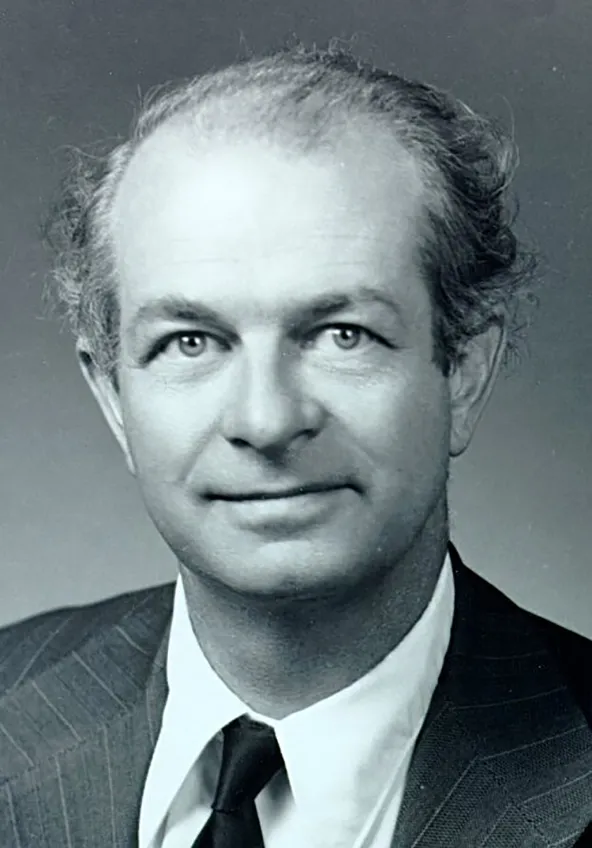
The word biohacking is recent but the underlying idea is not. The clearest intellectual ancestor is Linus Pauling, who in 1968 published a paper in Science coining the term "orthomolecular psychiatry." Pauling's argument was that the brain and body function best when the molecular environment is right, and that you can influence that environment by adjusting the concentrations of substances already present in normal human physiology — vitamins, minerals, and other naturally occurring compounds. He was talking about megadose vitamin C and niacin for mental illness at a time when the medical establishment found this professionally embarrassing. He had already won two unshared Nobel Prizes and was dismissed anyway.
The logic underneath it — that you intervene in physiology by adjusting inputs rather than by administering drugs that override natural systems — is essentially what runs through biohacking protocols today. The vocabulary has shifted. "Orthomolecular" became "nutrigenomics," "systems biology," "quantified self." The operating principle is recognizable across all of them.
Herbals for biohacking
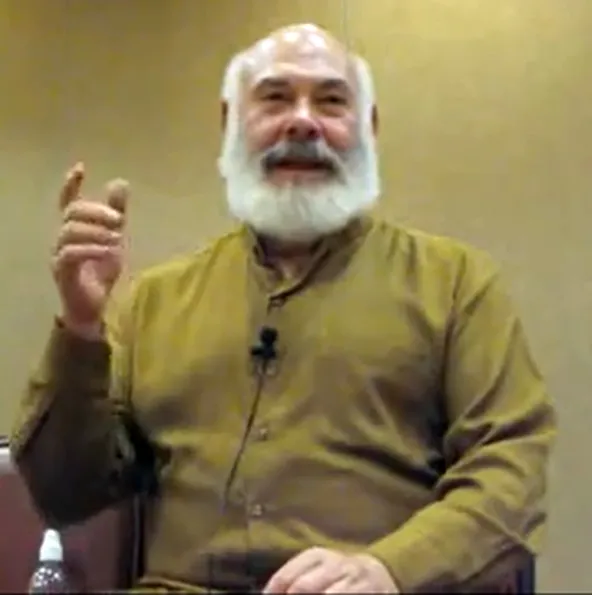
The ethnobotanical thread comes mostly from Dr. Andrew Weil, Harvard-trained physician and botanist, who spent decades arguing that traditional plant medicine was not folk superstition but a largely unexamined pharmacopoeia. His contribution was asking the question seriously — why do these plants have the effects that traditional cultures attributed to them, and what is the active mechanism — rather than treating centuries of empirical use as noise beneath scientific notice. That shift in framing opened space for researchers to investigate compounds like eurycomanone in Tongkat Ali or polymethoxyflavones in Black Ginger as legitimate scientific subjects.
What is the Huberman connection?
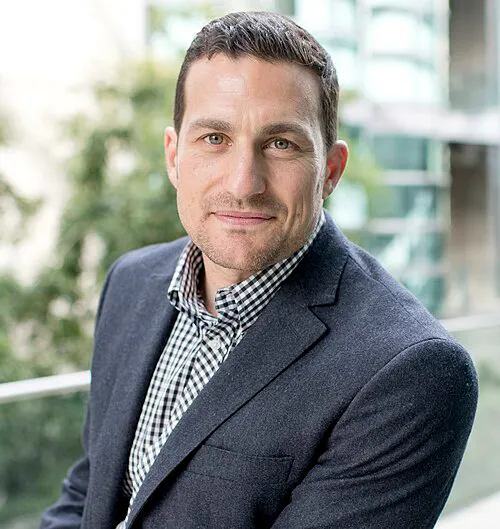
Andrew Huberman, Stanford neuroscientist and podcast host, has discussed several Southeast Asian botanicals in the context of hormonal optimization. His framing for Tongkat Ali (Eurycoma longifolia, Thai: ปลาไหลเผือก) centers on Sex Hormone Binding Globulin — SHBG — a protein that binds hormones in the bloodstream and limits their biological availability. The distinction between total and free hormone levels matters here: research has associated Tongkat Ali supplementation with changes in SHBG binding that affect the ratio of bound to free hormone. Huberman has referenced this in the context of how men's hormonal profiles shift with age and what interventions might be relevant to that process.
His broader framework — that botanical and lifestyle interventions are most meaningful when layered onto foundations of sleep, light exposure, and movement — reflects a reasonable reading of where the evidence is strongest. Supplements that might produce measurable effects in a well-managed protocol can be lost in the noise when the basics are not in place.
Is biohacking credible, or is most of it noise?
Both, depending on what specifically you are looking at. The published research on circadian biology, sleep physiology, hormetic stress (sauna, cold exposure), and time-restricted feeding is substantial and has moved well past the fringe. Sauna use has been associated with reduced cardiovascular risk in Finnish population data. Cold exposure has documented effects on norepinephrine and mood. Intermittent fasting has shown measurable effects on insulin sensitivity and metabolic markers in controlled trials. These are not controversial claims in the research literature.
The supplement end of biohacking is messier. A significant portion of the products sold under biohacking-adjacent marketing contain little or nothing of their labeled active ingredients. Regulatory bodies in the US, UK, and elsewhere have pulled specific products from market after testing revealed either an absence of labeled compounds or the presence of undisclosed pharmaceuticals. The research on specific well-characterized botanicals like Eurycoma longifolia, Kaempferia parviflora, and Butea superba is a different matter from the marketing claims attached to products that may or may not contain those botanicals at meaningful concentrations.
Why do serious biohackers prioritize sexual vitality?
This question tends to get sidestepped in mainstream wellness writing, which is odd because the answer is fairly obvious once you look at the underlying biology. The physiological systems that govern sexual function — hormonal, vascular, neurological — are some of the most sensitive indicators of overall health status. They respond early to decline and recover noticeably when systemic health improves. A man whose cardiovascular function, hormonal balance, sleep quality, and metabolic health are all in good shape will generally notice this in his sexual vitality before he notices it on a blood panel.
The more sophisticated biohacking writers have picked up on this. Sexual vitality is not a vanity metric alongside the serious ones — it is a deeply integrated output of multiple systems functioning well together. In the Pauling tradition of measuring things that actually matter to how a person experiences their life, it belongs near the top of the list. It is also, not coincidentally, the area where the traditional ethnobotanical knowledge behind plants like Tongkat Ali is most developed, most tested across generations, and most consistent with what modern pharmacological research has subsequently found.
None of this is to say that botanicals are substitutes for medical care. They are not. But within the biohacking framework — optimizing systems that are already functioning, rather than treating disease — the sexual vitality dimension is where the intersection of traditional knowledge and modern research is richest, and where motivated individuals tend to notice the most personally meaningful results.
What Southeast Asian botanicals appear in biohacking literature?
Three come up most often in the published research and in biohacking community discussion, each with a distinct phytochemical profile.
| Botanical | Active Compound Class | Primary Research Areas |
|---|---|---|
| Tongkat Ali (ปลาไหลเผือก) Eurycoma longifolia |
Quassinoids, esp. eurycomanone | Hormonal modulation, spermatogenesis, anti-malarial, anti-tumor activity |
| Black Ginger (กระชายดำ) Kaempferia parviflora |
Polymethoxyflavones (PMFs) | Mitochondrial biogenesis, physical endurance, vasodilation, PDE5 inhibition |
| Butea Superba (กวาวเครือแดง) | Butein and related flavonoids | Androgen receptor activity, cAMP signaling, PDE5 inhibitory effects |
Of the three, Tongkat Ali has the largest published research base. Black Ginger research has grown considerably since around 2010, mostly from Japanese and Thai institutions. Butea Superba has a smaller but documented literature. All three have traditional use histories spanning centuries in their respective regions — Tongkat Ali among the Karo Batak and Malay communities of Sumatra and the peninsula, Black Ginger among Hmong and other highland communities in northern Thailand, and Butea Superba across various Thai and Southeast Asian traditions. Traditional use is not proof of mechanism, but it is a long empirical record that researchers have consistently found worth investigating.
What does the published research say about Tongkat Ali?
Eurycoma longifolia has been studied since the 1960s, initially for antimalarial alkaloids, with broader pharmacological research expanding from there. One point worth making here: a 1:200 extract requires 200 grams of root to produce 1 gram of concentrate. Clinical studies use properly standardized material. Root powder products, or extracts with unstated concentrations, are a different thing, and the published findings may not apply to them.
What else goes into a biohacking protocol beyond supplements?
Most serious practitioners treat supplementation as one layer of a larger approach. The research on circadian regulation — morning light exposure, consistent sleep timing, blue light management in the evening — points to this as foundational in a way that most supplements are not. Supplements added on top of disrupted sleep and inconsistent light exposure are working against a significant headwind.
The hormetic stress literature has accumulated enough to take seriously. Brief sauna sessions (heat shock proteins, cardiovascular markers), cold exposure (norepinephrine, brown adipose tissue activation), and time-restricted feeding (insulin sensitivity, autophagy induction) have published mechanistic and clinical evidence behind them. These are the interventions with the strongest research support and, notably, the lowest cost of entry. No product purchase required.
Individual response to any protocol varies and the variation is not fully explained by current research. A protocol assembled from well-supported literature is a reasonable starting point. Whether a particular intervention works for a specific person at a specific dose over time is something that blood panels, HRV tracking, and consistent self-measurement can answer in ways that general population studies cannot.