Articles, videos about Tongkat Ali
Tongkat Ali from North Sumatra, Indonesia
How is 1:200 tongkat ali extract made?
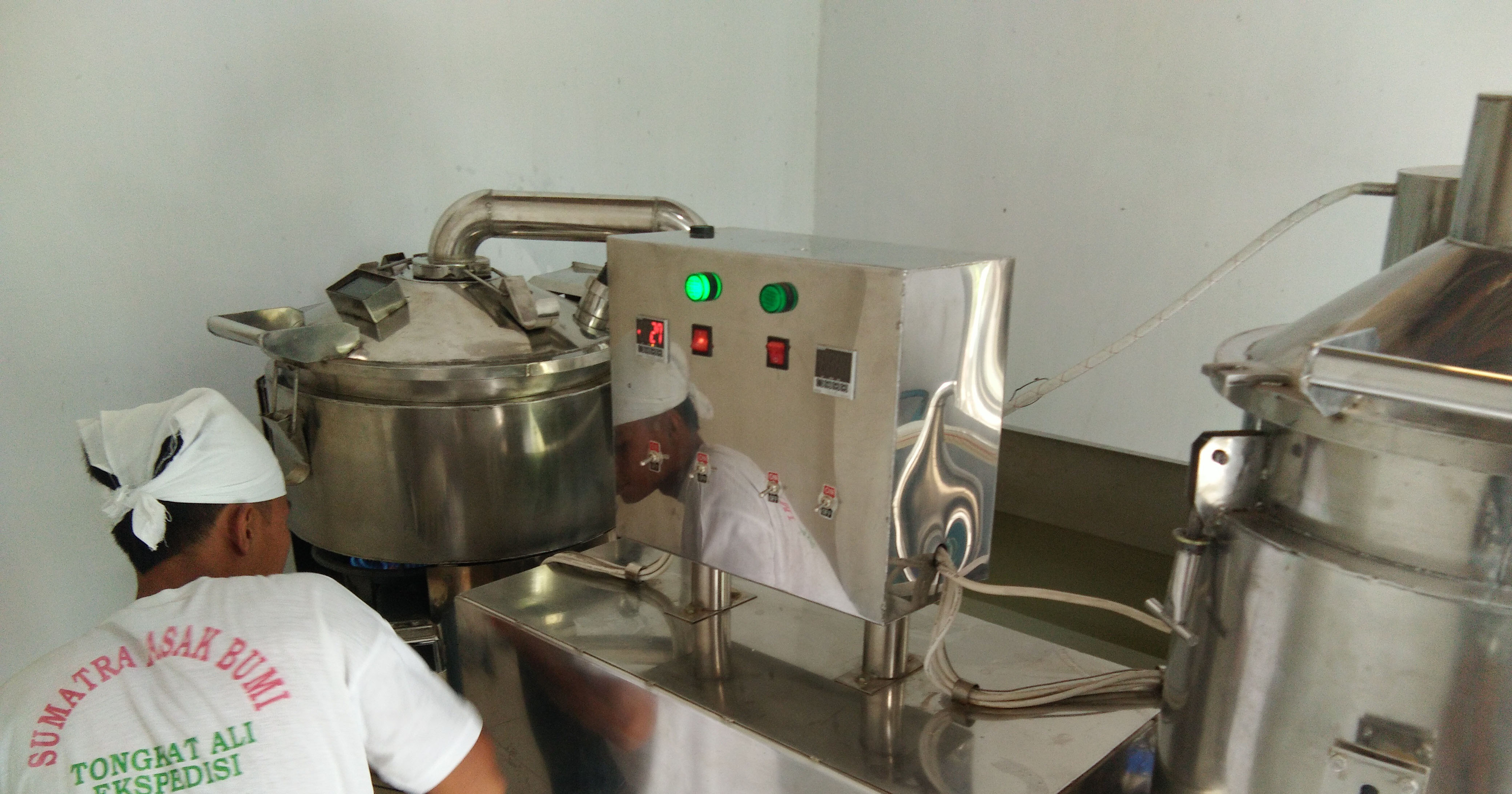
We are the only tongkat ali producer in Medan, the Indonesian city near to the tropical rainforests where tongkat ali grows. Tongkat ali 1:200 extract was developed by us, and because only we are near the trees, only we can afford to make genuine 1:200 extract. Others would have to transport a full container load of roots for every 10 kg of 1:200 extract. Astronomical costs and logistical nonsense, so anyway, they don't. They just print 1:200 on labels, and then sell root powder, or sildenafil-laced starch.
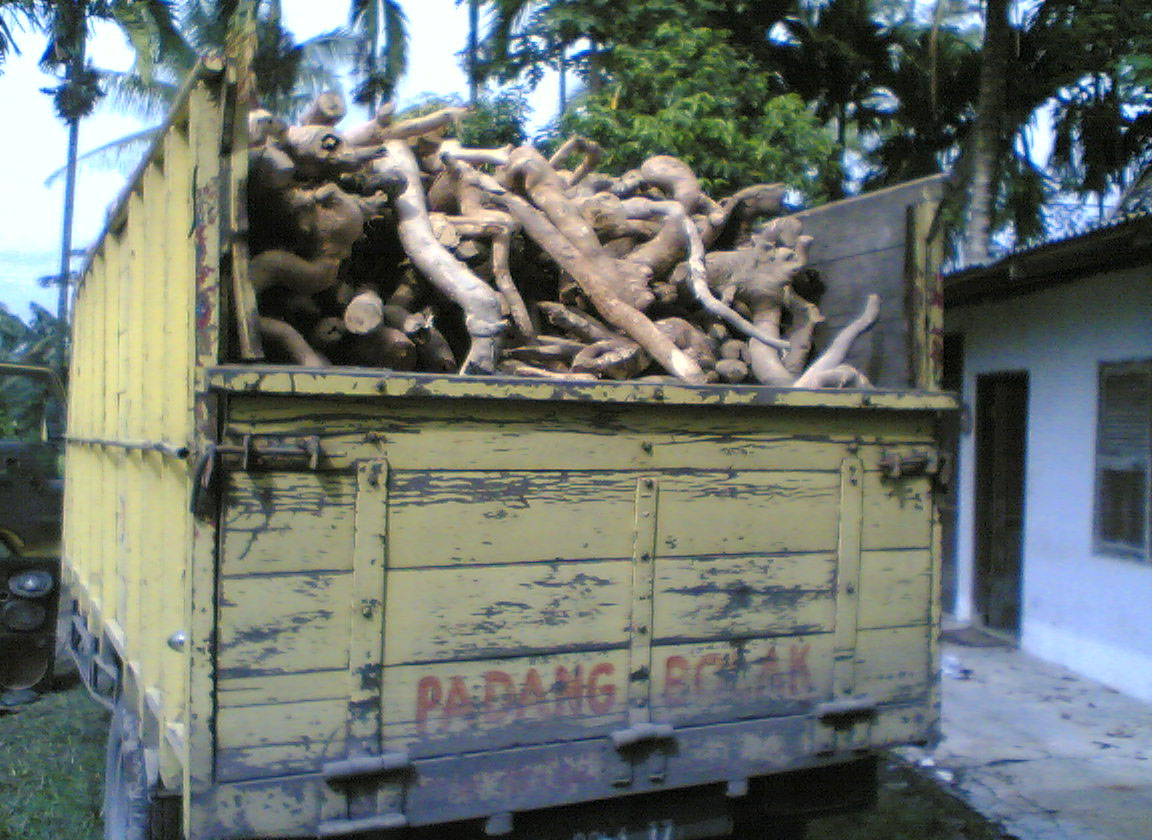
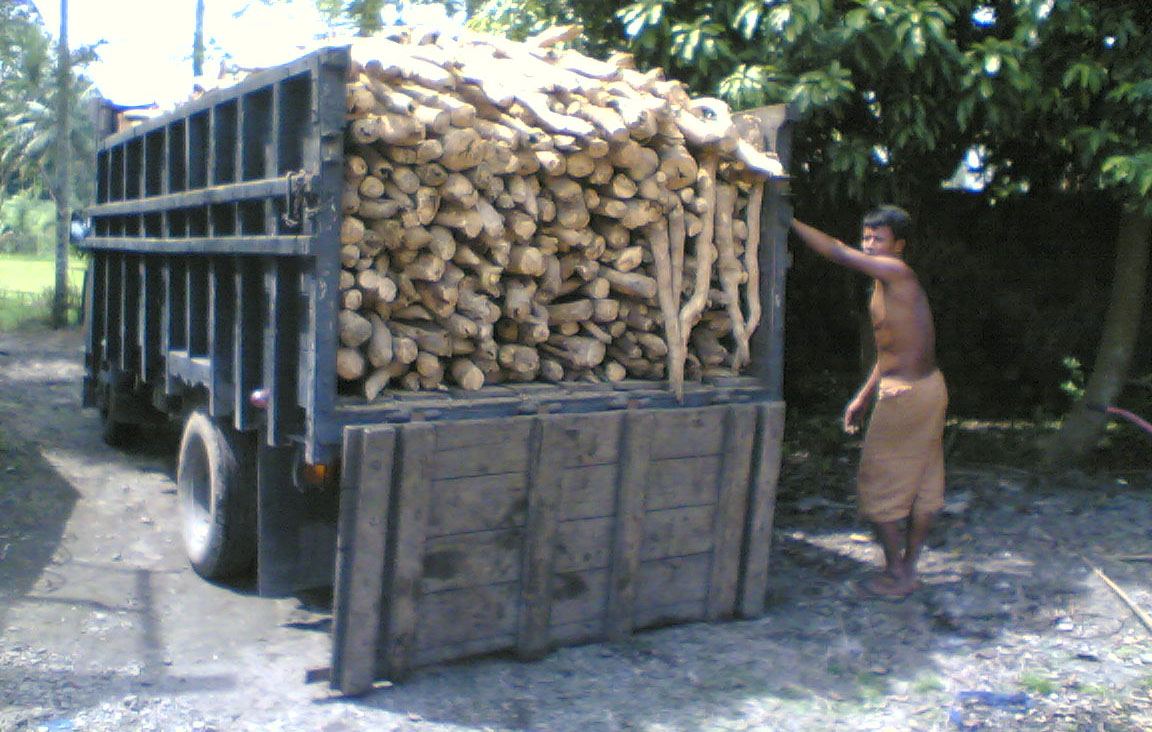
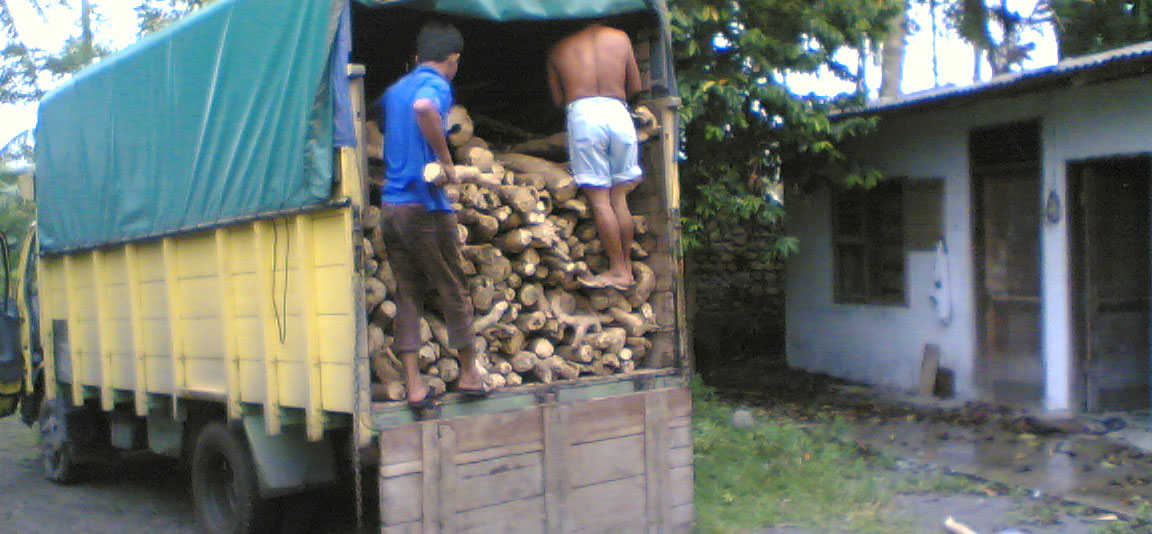
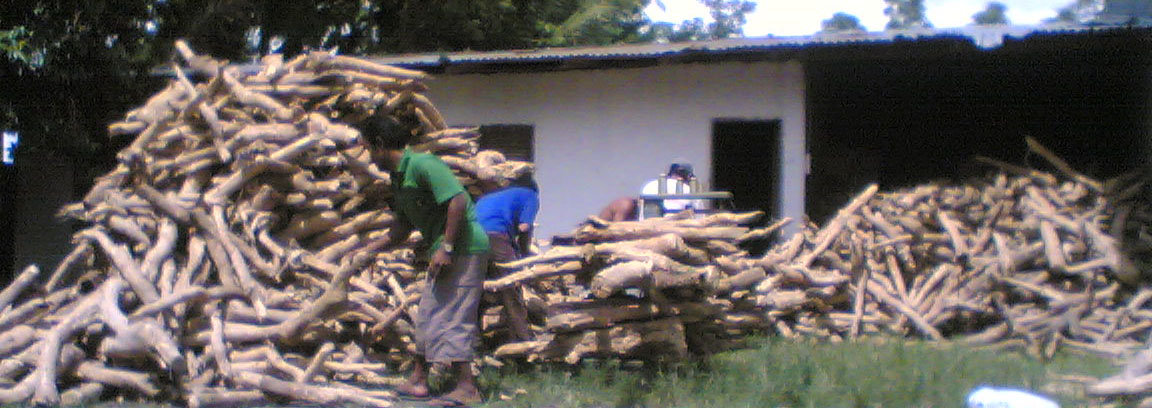
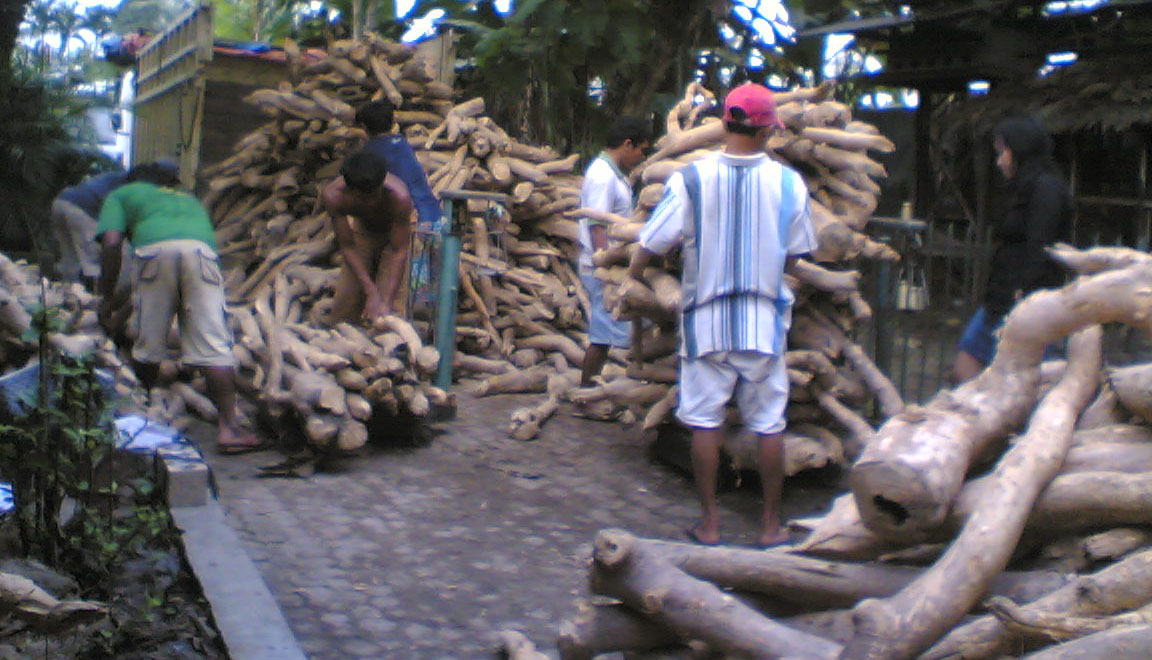
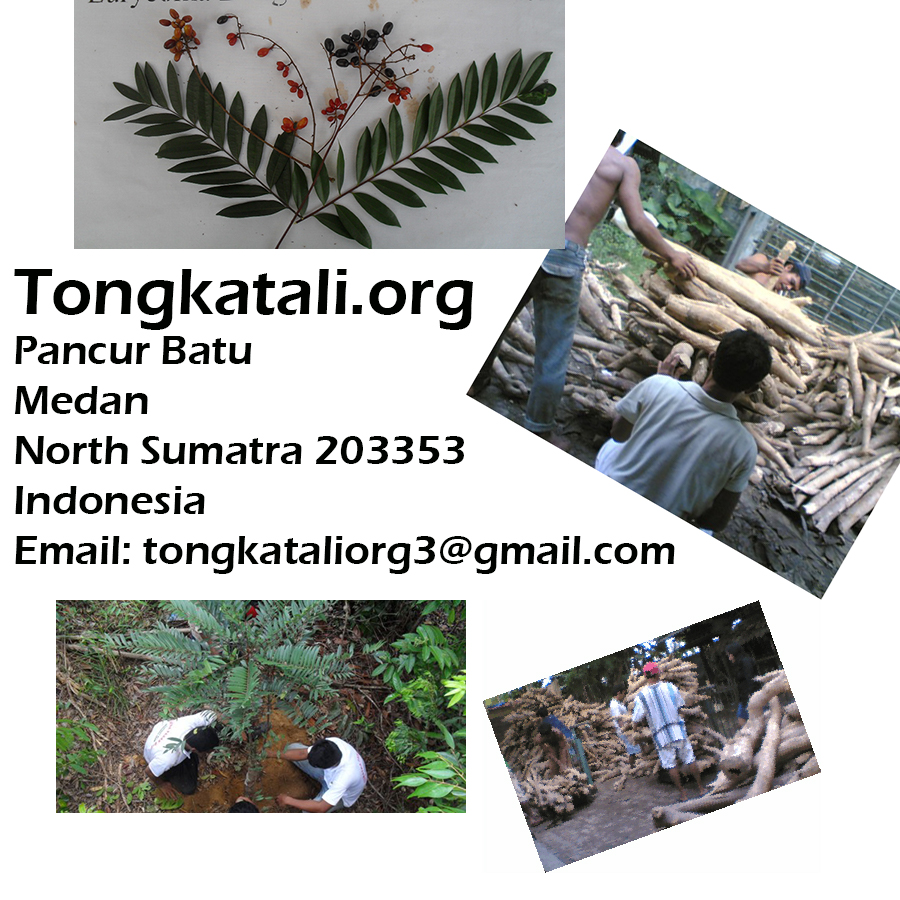
Tongkatali.org is the only player in the Tongkat Ali trade with ample photographic proof of handling large quantities of the root. What do others sell if they dont even have a single picture of a truckload full of raw Tongkat Ali? Not 1:200, maybe not even Tongkat Ali. Because, as a rule of thumb, one truck yields just 10 to 20 kg of 1:200 extract.
Two truck, owned by tribal drivers, each deliver newly digged-out Tongkat Ali roots to our compound near Medan once or twice a months.
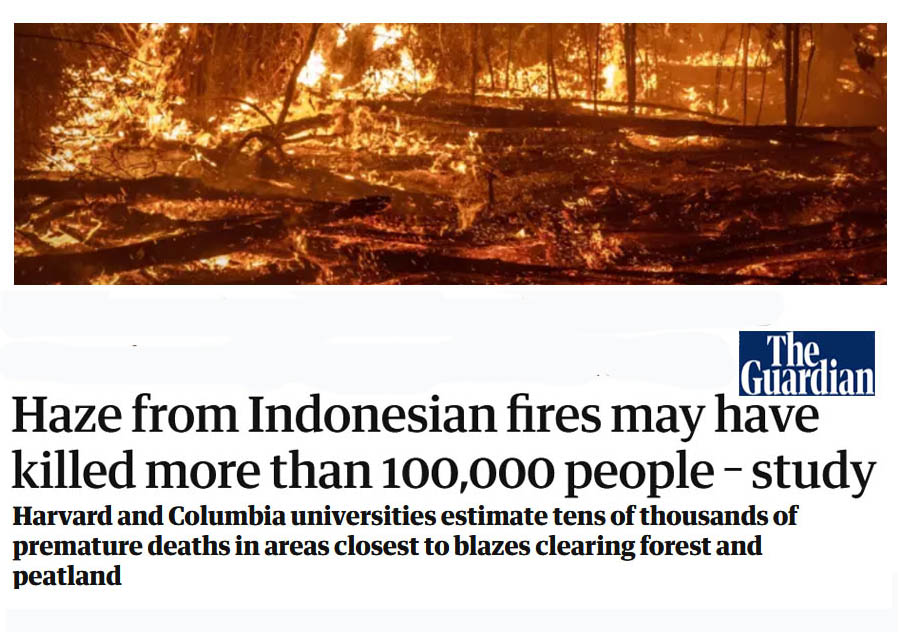
Indonesia Burning - You may want to stock up on Tongkat Ali extract as long as it is available. Indonesia has been burning forests, including Tongkat Ali trees, at an alarming rate. Fires have caused a staggering loss of human life.
References:
Ang, H. H.; Ngai, T. H. (2001), Aphrodisiac evaluation in non-copulator male rats after chronic administration of Eurycoma longifolia Jack, Fundamental and Clinical Pharmacology, Volume15, Issue4, Pages 265-268
Bhat, Rajeev; Karim, A.A. (2010), Tongkat Ali (Eurycoma longifolia Jack): A review on its ethnobotany and pharmacological importance, Fitoterapia,
Volume 81, Issue 7, Pages 669-679
Chaturapanich, G.; Chaiyakul, S.; Verawatnapakul, V.; Yimlamai, T.; Pholpramool, C.(2012),
Enhancement of aphrodisiac activity in male rats by ethanol extract of Kaempferia parviflora and exercise training, Andrologia, Vol 44 (Suppl 1), Pages 323-328
Chaipech, S.; Morikawa, T.; Ninomiya, K.; Yoshikawa, M.l; Pongpiriyadacha, Y.; Hayakawa, T.; Muraoka, O. (2012), Structures of two new phenolic glycosides, kaempferiaosides A and B, and hepatoprotective constituents from the rhizomes of Kaempferia parviflora, Chemical and Pharmaceutical Bulletin, Vol 60, Pages 62-69
Danial, Monica; Saghal, Geethaa; Mubbarakh, Safiah Ahmad (2013), Antibacterial Studies On In Vivo Plant Parts of Medicinally Important Eurycoma Longifolia (Tongkat Ali), Pakistan Journal of Botany, Volume 45(5), Pages 1693-1700, 2013.
Faisal, Ghasak G; Najmuldeen, Ghazi F; Abllah, Zurainie; Radeef, Ali S (2017), The Cholesterol Lowering Effects of Eurycoma longifolia Jack (Tongkat Ali) Root Extract in Male Rats. Makara Journal of Health Research (MJHR), Vol 21, No 1
George A.; Henkel R. (2014), Phytoandrogenic properties of Eurycoma longifolia as natural alternative to testosterone replacement therapy, Andrologia, Volume 46, Pages 708-721, https://doi.org/10.1111/and.12214
George A, Udani J, Abidin NZ, Yusof A. (2018).
Efficacy and safety of Eurycoma longifolia (Physta®) water extract plus multivitamins on quality of life, mood and stress: a randomized placebo-controlled and parallel study. Food Nutrition Resources, Vol 62.
GG, Faisal; SM, Zakaria; GF, Najmuldeen (2015), In Vitro Antibacterial Activity of Eurycoma Longifolia Jack (Tongkat Ali) Root Extract, International Medical Journal of Malaysia, Volume 14, No. 1
Hirsh, Steven; Huber, Luke; Stein,Richard; Schmid,Kira; Swick, Andrew; Joyal, Steven (2018), An open label study to evaluate the effect of Kaempferia parviflora in support of erectile function and male sexual health among overall healthy males 50–70, Federation of American Societies for Expiremental Biology, Volume 31, Issue S1
Special Issue: Experimental Biology 2017 Meeting Abstracts, https://doi.org/10.1096/fasebj.31.1_supplement.636.1
Liu, Ying; Lai, Lantao; Ju, Yan; Liu, Caihong; Meng, Dali (2019), Chemical constituents and synergistic anti-gout studies on Eurycoma longifolia and potential mechanisms evaluation based on systemic analysis approach, Bioorganic Chemistry, Volume 92
Nhan NH, Loc NH. (2017), Production of eurycomanone from cell suspension culture of Eurycoma longifolia , Pharmaceutical Biology Vol 55(1) Pages 2234-2239
Rehman, Shaheed Ur; Choe, Kevin; Yoo, Hye Hyun (2016) Review on a Traditional Herbal Medicine, Eurycoma longifolia Jack (Tongkat Ali): Its Traditional Uses, Chemistry, Evidence-Based Pharmacology and Toxicology, Molecules, Vol 21(3), Pages 331, https://doi.org/10.3390/molecules21030331
See, Kwan Li; Tan, Shu Ying; Hirata, Yoshiyuki; Chan, Lai-Keng; Nagaoka, Yasuo; Uesato, Shinichi; Boey, Peng Lim (2021), Biotic elicitation at different feeding time in cell suspension cultures of Eurycoma longifolia Jack, a valuable medicinal plant, for enhancement of cytotoxic activity of bioactive compounds against human colon cancer cell line, In Vitro Cellular & Developmental Biology - Plant, Volume 58, Pages15–27
Sitanggang, Bintang Riris; Prijanti, Ani Retno; Astuty, Hendri (2018), The Role of Pasak Bumi (Eurycoma longifolia Jack) Extract as an Antimalarial Agent Through the Mechanism of Antioxidant Specific Activity (Superoxide Dismutase, SOD and Catalase, CAT) in Plasmodium berghei-Infected Mice, Advanced Science Letters, Volume 24, Number 9
Talbott, Shawn M. (2013), Human Performance and Sports Applications of Tongkat Ali (Eurycoma longifolia), Nutrition and Enhanced Sports Performance Muscle Building, Endurance, and Strength, Pages 501-505
Tambi, Ismail (2021), Herbal medicine used to treat andrological problems: Asia and Indian subcontinent: Tongkat Ali (Eurycoma longifolia jack) , Herbal Medicine in Andrology
An Evidence-Based Update, Pages 107-111
Udani J.K.; George A.A.; Musthapa M.; Pakdaman M.N.; Abas A. (2014), Effects of a proprietary freeze-dried water extract of Eurycoma longifolia (Physta) and Polygonum minus on sexual performance and well-being in men: a randomized, double-blind, placebo-controlled study, Evidence-Based Complementary and Alternative Medicine, https://doi.org/10.1155/2014/179529
Ulbricht, Catherine; Conquer, Julie PhD; Flanagan, Kelly; Isaac,Richard; Rusie, Erica; Windsor, Regina C. (2013)An Evidence-Based Systematic Review of Tongkat Ali (Eurycoma longifolia) by the Natural Standard Research Collaboration, Journal of Dietary Supplements, Volume 10, Issue 1, Pages 54-83
Vejayan, Jaya; Mohamed, Aini Norhidayah; Zulkifli, Amira Alia; Yahya, Yasmin Amira Che; Munir, Norliana; Yusoff, Mashitah M. (2018), Marker to authenticate Eurycoma longifolia (Tongkat Ali) containing aphrodisiac herbal products, Current Science
Vol. 115, No. 5, Pages 886-894
By tongkatali.org
tongkataliorg3@gmail.com
Updated March 5, 2023