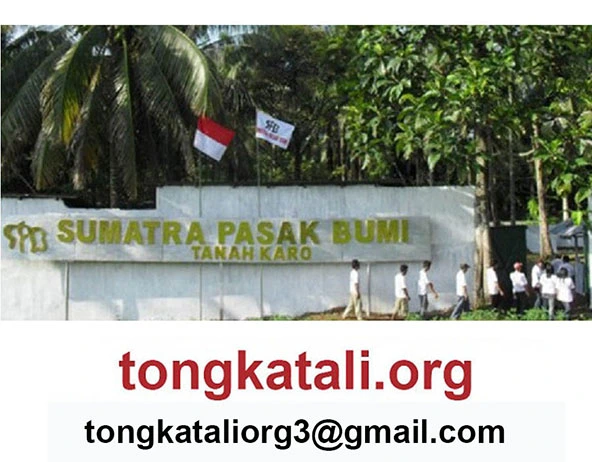
Sumatra Pasak Bumi produces three botanical extracts. Two of them — Black Ginger and Butea Superba — come from Thailand. One — Tongkat Ali — comes from our own harvesting operations in the Karo highlands of North Sumatra. All three are standardized to specific active compound percentages and tested by independent laboratories. None of them contain fillers, rice flour, or maltodextrin. What is in the capsule is the extract, nothing else.
Tongkat Ali — Eurycoma longifolia
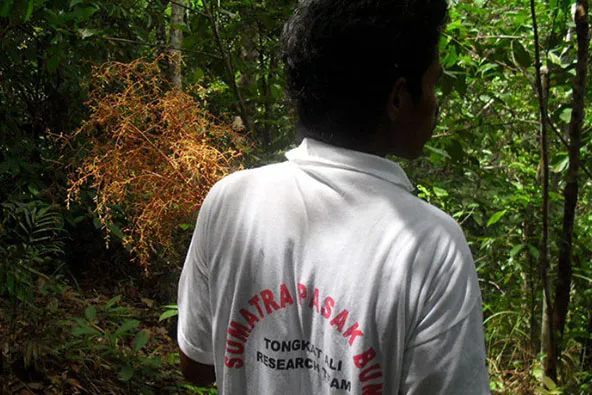
Tongkat Ali is what this company was built on. Antonius and Bartholomeus Sembiring started PT Sumatera Pasak Bumi in 1998 specifically to supply Tongkat Ali from the Karo Batak highlands of North Sumatra — the territory around the active volcanoes Mt. Sinabung and Mt. Sibayak. We have worked the same geography ever since. The plant's common Indonesian name, pasak bumi ("earth nail"), refers to the taproot, which goes straight down several meters in old trees and is harvested by hand digging. It cannot be pulled out by a tractor.
The active compounds we standardize to are quassinoids — primarily eurycomanone. Published research has studied eurycomanone for effects on testosterone biosynthesis, LH stimulation, SHBG suppression, and antimalarial activity. We are not in a position to make medical claims, but the research is available and buyers generally arrive already familiar with it. Our job is to supply extract that is genuine, standardized, and clean.
We produce four Tongkat Ali extract grades, differentiated by which part of the plant is used. The data on why this matters comes from a 2015 Universiti Teknologi Malaysia study in Jurnal Teknologi, which found eurycomanone concentrations roughly 14 to 17 times higher in root bark and leaf than in the taproot. Each grade has a different effect profile — they are not interchangeable.
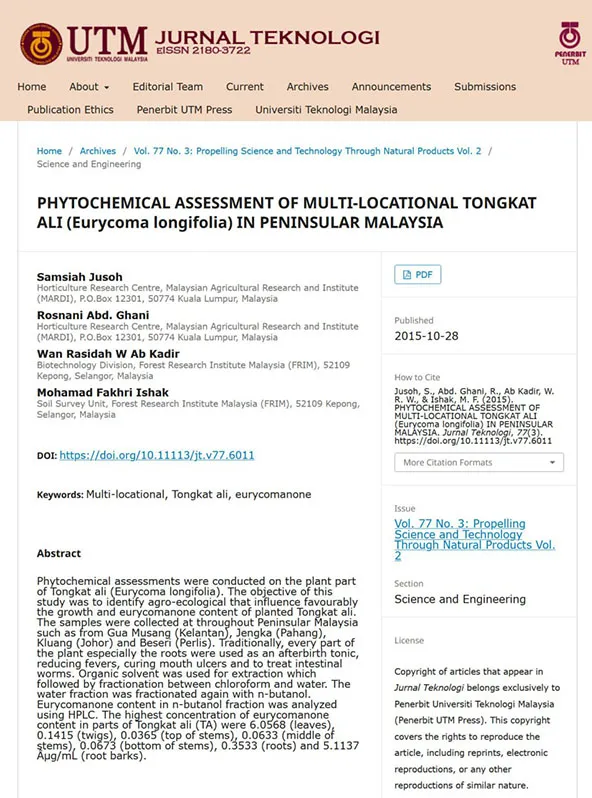
https://journals.utm.my/index.php/
jurnalteknologi/article/view/6011
| Extract Grade | Source | Eurycomanone | Notes |
|---|---|---|---|
| Standard Root Extract | Wild-harvested taproot | 2% | Baseline grade, gradual onset |
| Fermented Root Extract | Traditionally aged taproot | 4% | Traditional aging increases metabolite density |
| Root Bark Extract | Cortical (outer bark) layer | 6% | High resin content, concentrated grade |
| Leaf Extract | Eurycoma leaf tissue | 10% | Faster onset; start at lower dose |
Thai Black Ginger — Kaempferia parviflora (กระชายดำ)
Black Ginger is not a ginger in the culinary sense. It is in the same family (Zingiberaceae), but the rhizome is dark purple-black inside and has a different chemistry entirely. The Hmong call it Ntoo Heev. It is cultivated — not wild-crafted — and harvested each December when temperatures in the Northern Thai highlands drop well below 10 degrees Celsius. The cold period before harvest matters for the accumulation of polymethoxyflavones, which are the compounds we standardize to.
Our Black Ginger extract is standardized to 10% polymethoxyflavones (PMFs). Research on PMFs has focused on mitochondrial biogenesis, physical endurance, and blood circulation — a 2016 study published in Heliyon by Toda et al. found measurable effects on muscular endurance through that pathway. The Hmong have used this plant for the same purposes that the research is now investigating: stamina and male vitality.
Altitude matters for this plant. Our sourcing is from Hmong highland cultivation above 1,000 meters. Lowland-grown Black Ginger or Black Ginger from other regions is not the same product and will not standardize to the same PMF levels. We know this because we tested material from multiple sources before settling on the highland Hmong supply.
Butea Superba — Butea superba Roxb. (กวาวเครือแดง)
Butea Superba grows in the open-canopy deciduous forests of Thailand and does not grow in Indonesia. The Thais call it Red Kwao Krua (red creeper) — the name comes from the dark red sap that runs from the cut tuber, which the Hmong describe as bleeding. There is no commercial cultivation. Everyone selling it is drawing on wild collections, and the Hmong hilltribe collectors who work with us are the source.
Our extract is standardized to 4% butein by HPLC. Butein is a chalcone flavonoid under investigation for activity against cAMP phosphodiesterase enzymes and as a potential aromatase inhibitor — a different mechanism from Tongkat Ali, which works through the endocrine system. The two plants are not substitutes for each other.
Velvet Bean — Mucuna pruriens
Velvet Bean is not a dietary legume in the culinary sense. It belongs to the Fabaceae family, but the mature seed is primarily valued for its high concentration of L-DOPA, the direct metabolic precursor to dopamine. Traditional Malay and Ayurvedic systems refer to it as Kacang Kuda or Kapikacchu. It is cultivated — not wild-crafted — and harvested when pods reach full maturity and darken to deep brown. The drying process is carefully controlled to preserve thermolabile alkaloids, which are the compounds we standardize to.
Our Velvet Bean extract is standardized to 15% L-DOPA. Research on L-DOPA has focused on dopaminergic pathways, nervous system support, and prolactin modulation. Studies have demonstrated measurable effects on mood regulation and neurochemical balance through that pathway. Traditional practitioners have used this seed for the same purposes that modern research is now investigating: neurological resilience and systemic vitality.
Sourcing altitude and soil composition matter for this plant. Our supply comes from certified organic farms in Central India and Southern Thailand. We know this matters because we tested material from multiple regions before standardizing our L-DOPA protocols and heavy metal screening.
Mature Mucuna pruriens pods harvested at peak L-DOPA concentration. Controlled drying preserves alkaloid integrity.
Krachai Khao (White Fingerroot) — Boesenbergia rotunda
Krachai Khao is often confused with culinary ginger, but it belongs to a different genus within the Zingiberaceae family. The rhizome is pale yellow to white inside and contains a distinct chemical profile dominated by chalcones and flavonoids rather than gingerols. Traditional Thai and Khmer medicine refers to it as Krachai Khao or Proh Hom. It is cultivated in well-drained loam soils and harvested after 10–12 months of growth when flavonoid density peaks.
Our Krachai Khao extract is standardized to 8% panduratin A and 4% pinostrobin. Research on these chalcones has focused on NF-κB modulation, metabolic enzyme activity, and digestive tract comfort. A 2021 pharmacological review highlighted measurable anti-inflammatory and gastrointestinal supportive effects through these specific markers. Traditional healers have long used this rhizome for digestive balance and respiratory comfort, aligning closely with current mechanistic research. Rhizome age directly impacts active compound concentration. We exclusively source from mature crops grown in Thailand's central plains and northern highlands. Lowland or prematurely harvested Fingerroot yields inconsistent chalcone profiles and will not standardize to our specifications.
Thai Orange Turmeric Extract — Curcuma longa / C. aromatica
Thai Orange Turmeric is a distinct cultivar selected for deeper pigmentation and higher volatile oil content compared to commercial Indian varieties. The rhizome exhibits a vivid orange-red interior and contains an optimized ratio of curcuminoids to essential oils. Farmers in Northeast Thailand cultivate this variety using traditional rotational methods that preserve soil microbiome diversity.
Our extract is standardized to 95% total curcuminoids (curcumin, demethoxycurcumin, bisdemethoxycurcumin) with 3% natural turmerone retained via supercritical CO2 extraction. Research on curcuminoids has focused on cyclooxygenase pathways, cellular antioxidant capacity, and joint tissue comfort. The inclusion of natural turmerones enhances bioavailability and supports synergistic absorption, addressing the historical limitation of isolated curcumin formulations.
Extraction methodology dictates final compound stability. We utilize a dual-phase process: aqueous extraction for water-soluble phenolics followed by gentle CO2 processing for lipid-soluble terpenoids. This preserves the full-spectrum profile observed in traditional preparations while meeting modern purity standards.
Thai Orange Turmeric & Tongkat Ali Blend
This proprietary formulation combines our standardized Thai Orange Turmeric extract with Tongkat Ali rootbark extract in a fixed 1:1 ratio. The blend is designed for synergistic support: curcuminoids address inflammatory pathways while canthin-6-one alkaloids and quassinoids support adaptogenic hormone balance.
Each batch is standardized to 47.5% total curcuminoids and 3% eurycomanone, with independent HPLC verification of both marker compounds. Research on combined adaptogen-curcuminoid protocols suggests complementary effects on exercise recovery, metabolic wellness, and systemic comfort. The formulation avoids synthetic binders or flow agents, relying solely on botanical carriers to maintain extract integrity.
This blend is manufactured in separate facilities from single-ingredient runs to prevent cross-contamination and ensure consistent potency.
Kacip Fatimah — Labisia pumila
Kacip Fatimah is a low-growing understory herb native to the rainforests of Malaysia and Indonesia. It is not related to tea or coffee, despite the name, and belongs to the Primulaceae family. The leaves and roots contain a unique profile of resorcinols, flavonoids, and saponins traditionally associated with women's wellness. The plant is shade-grown under dipterocarp canopies and harvested during the dry season when secondary metabolite concentration peaks.
Our extract is standardized to 5% total resorcinols and 10% flavonoids. Research on Labisia pumila has explored estrogenic-modulating pathways, antioxidant capacity, and uterine tissue support. Traditional Malay midwives have used this herb for centuries postpartum and during life-stage transitions, long before modern phytochemical analysis confirmed its active constituents.
Wild harvesting is strictly regulated to protect native populations. We work exclusively with certified sustainable cultivation programs that replicate natural forest understory conditions, ensuring consistent resorcinol levels without ecological disruption.
Manjakani (Oak Gall) — Quercus infectoria
Manjakani is not a seed or root, but a natural tannin-rich gall formed on oak trees in response to wasp larvae. These galls have been traded across Southeast Asia and the Middle East for centuries and belong to the Fagaceae family ecosystem. The structure is dense, highly astringent, and contains concentrated hydrolyzable tannins.
Our Manjakani extract is standardized to 70% tannic acid via controlled aqueous extraction and spray-drying. Research on gallotannins has focused on protein-binding capacity, tissue integrity support, and antimicrobial pathways. Traditional applications emphasize topical and mucosal support, aligning with the known astringent and precipitating properties of high-tannin botanicals.
Sourcing requires careful botanical verification. We source only from Quercus infectoria galls collected in regulated Mediterranean and Anatolian regions, with batch testing to confirm tannin density and absence of adulterants or synthetic tannins.
Fenugreek & Tongkat Ali Blend
This formulation pairs standardized Fenugreek seed extract with Tongkat Ali root extract in a 2:1 ratio. Fenugreek (Trigonella foenum-graecum) contributes furostanolic saponins, while Tongkat Ali provides quassinoids and alkaloids. The combination is designed to support metabolic wellness, natural hormone balance, and physical vitality through complementary botanical pathways.
Each batch is standardized to 50% total furostanolic saponins (protodioscin marker) and 2% eurycomanone, with independent laboratory verification. Research on fenugreek saponins has explored glucose metabolism support and endocrine balance, while Tongkat Ali research focuses on cortisol:testosterone ratio optimization. Together, they provide a broad-spectrum adaptogenic and metabolic support profile.
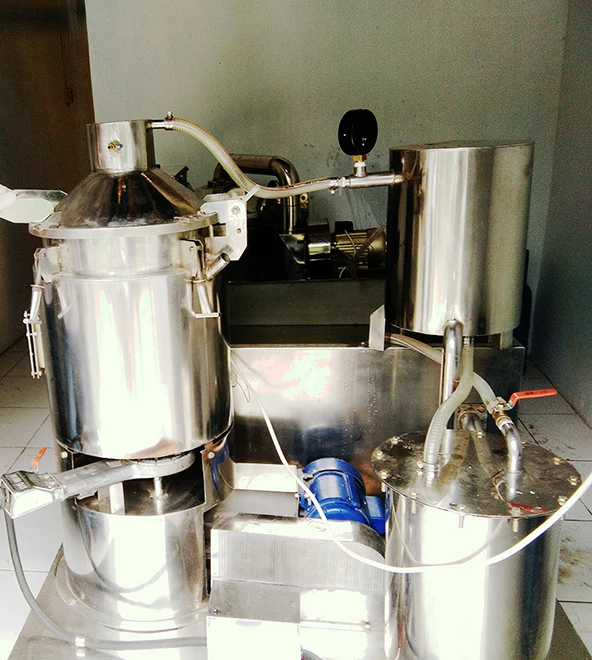
The blend uses hot-water extraction for both components to preserve water-soluble saponins and glycoproteins, followed by low-temperature dehydration to maintain compound stability.
Pricing and bulk orders
Wholesale bulk powder starts at 700 USD/kg. Orders above 100 kg qualify for up to 10% volume discount. Retail customers who reach a cumulative purchase threshold of 1,000 USD receive a 100% bonus quantity on their next order — effectively buying one and getting one. This means buying at wholesale prices.
Regulatory Notice:
These botanical extracts are nutritional supplements and are not intended to diagnose, treat, cure, or prevent any disease. These statements have not been evaluated by the U.S. Food and Drug Administration. Consult a healthcare professional before use.