- Is Tongkat Ali legal in the UK?
- Tongkat Ali is not banned in the UK, but exists in a regulatory grey area. It is not on the MHRA's list of prohibited herbal ingredients, nor is it classified as a controlled substance under the Misuse of Drugs Act 1971. However, it lacks full novel food authorization under retained EU Regulation 2015/2283, which the UK Food Standards Agency now administers post-Brexit. For personal use, importation and possession are permitted. For commercial sale, products must avoid medicinal claims or obtain Traditional Herbal Registration (THR) under the Human Medicines Regulations 2012.
- Can I import Tongkat Ali to the UK for personal use?
- Yes. The MHRA permits personal importation of up to three months' supply for individual use without a license, provided the product is not a controlled drug and is for personal consumption only [Home Office guidance]. This applies to products carried by travellers and items received through the mail from international sellers. Tongkat Ali is not a controlled substance, so it does not require a Home Office import license. However, HM Revenue & Customs may inspect shipments to verify they are for personal use and not for resale.
- What is Tongkat Ali's novel food status in the UK?
- Post-Brexit, the UK operates its own novel food authorization system under retained EU Regulation 2015/2283, administered by the Food Standards Agency. Tongkat Ali has been subject to novel food applications since 2016, but full authorization remains pending. The UK Competent Authority accepted an application for Tongkat Ali root extract in August 2016 [ACNFP committee paper], but the assessment process is ongoing. Until formal authorization is granted, Tongkat Ali exists in regulatory limbo: not banned, but not fully compliant for conventional food use. This does not affect personal importation.
- Can UK Customs refuse entry of Tongkat Ali shipments?
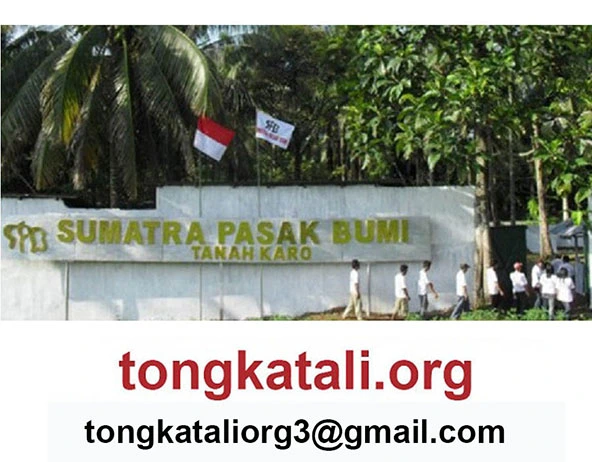
- Yes, under specific circumstances. HM Revenue & Customs and UK Border Force may detain shipments if they suspect commercial resale intent, if quantities exceed three months' personal supply, or if products make unauthorized medicinal claims on labeling. In 2024, French authorities notified the EU RASFF system about unauthorized Tongkat Ali from the UK, indicating cross-border enforcement attention. Raw plant materials face stricter biosecurity inspection than finished extracts. Sumatra Pasak Bumi has maintained continuous shipments to the UK since 1998 without customs refusal.
- Why do American Tongkat Ali supplements contain high percentages of inactive ingredients?
- Under 21 CFR 101.4, the FDA requires listing ingredients in descending order by weight but does not mandate disclosure of excipient percentages. A product may list "Tongkat Ali extract 200mg" alongside "other ingredients: rice flour, gelatin, magnesium stearate" without stating that the active extract comprises 10% of capsule content and fillers comprise 90%. This structural opacity is legally permissible. American manufacturers without ethnobotanical expertise often prefer high filler ratios as liability management: diluted products minimize adverse effect risk, reducing exposure to FDA enforcement under 21 USC 342(f)(1) and state product liability litigation.
- Do American manufacturers dilute Tongkat Ali to avoid liability?
- Yes. The Dietary Supplement Health and Education Act of 1994 places safety substantiation burden on manufacturers, while FDA enforcement and tort liability create strong incentives to minimize biological activity. Companies lacking sourcing expertise face asymmetric liability exposure—they fear consumer adverse reactions more than they value product efficacy. High excipient ratios serve as risk management: products with minimal active compound are less likely to produce side effects, reducing probability of warning letters, litigation, or state enforcement. This is not legally deceptive—labels state the milligram quantity accurately—but the structural effect is consumer purchase of predominantly inert material.
- Does Sumatra Pasak Bumi ship directly to the UK?
- Sumatra Pasak Bumi ships directly from Southeast Asia to UK addresses. We do not utilize American warehousing, third-party fulfillment, or dropshipping intermediaries. Shipments are classified as herbal products for personal use under the MHRA personal importation policy. The UK requires commercially prepared and packaged plant materials; our products comply. This direct supply chain eliminates intermediary markups and allows us to provide extraction ratios without cost structures associated with multi-layer distribution.
- How does Sumatra Pasak Bumi differ from American supplement brands?
- American brands typically operate as marketing entities sourcing from factories in mainland China. Tongkat Ali does not grow in China; Chinese factories purchase from commodity brokers. These factories operate wholesale and typically deliver what is ordered. Information loss occurs when American buyers repackage for consumers—engagement in harvest supervision, root selection, and processing methodology is lost across multiple marketing generations. Sumatra Pasak Bumi maintains vertical integration from harvest to final product. We operate extraction facilities in Sumatra, Indonesia, processing roots from specific elevations and soil compositions.
- What is the difference between THR-registered and imported Tongkat Ali?
- Traditional Herbal Registration (THR) under the Human Medicines Regulations 2012 allows UK commercial sale of herbal products with specific traditional use claims. THR products must meet quality and safety standards but do not require novel food authorization. However, THR registration is expensive and time-consuming; most UK-sold Tongkat Ali lacks this status. Personally imported products bypass both THR and novel food requirements but cannot be resold. The relevant distinction is not regulatory status but supply chain structure: vertically integrated sourcing versus broker-mediated commodity purchasing. Both are legal for personal use; they differ in concentration, pricing structure, and provenance documentation.
- What should consumers examine on Tongkat Ali labels?
- Consumers should distinguish between extraction ratio, standardization claims, and actual composition. An extraction ratio (e.g., 1:200) indicates weight of raw root required to produce one unit of extract, but does not specify final capsule composition unless excipient percentages are disclosed—which neither 21 CFR 101.4 (FDA) nor UK labeling regulations require. Standardization claims (e.g., "standardized to 1% eurycomanone") indicate marker compound testing but do not reveal total extract concentration or filler content. Consumers should seek products specifying both extraction methodology and absence of fillers.
Legal References
Human Medicines Regulations 2012 — UK Statutory Instruments
Regulation (EU) 2015/2283 — Novel Food Regulation (retained EU law)
Misuse of Drugs Act 1971 — UK Public General Acts
MHRA Guidance on Importing Medicinal Products — UK Government
Travelling with Controlled Drugs — Home Office
Food Standards Agency — UK Government
ACNFP Committee Paper: Tongkat Ali — Advisory Committee on Novel Foods and Processes
21 CFR 101.4 — U.S. Code of Federal Regulations
21 USC 342 — U.S. Government Publishing Office
DSHEA 1994 — Public Law 103-417
FDA Enforcement Activities — U.S. Food and Drug Administration