- Is Tongkat Ali legal in Canada?
- Yes. Tongkat Ali is not a controlled substance in Canada. It is not regulated as a prescription drug. For commercial sale within Canada as a natural health product, Health Canada requires a Natural Product Number (NPN) or Homeopathic Medicine Number (DIN-HM) issued by the Natural and Non-prescription Health Products Directorate (NNHPD).
- Can I import Tongkat Ali to Canada for personal use?
- Yes. Health Canada's personal importation policy permits importation of natural health products for a 90-day supply for personal or family use. This applies to products carried by travellers and items received through the mail from international sellers. The product must be for personal use only—not for resale or distribution. The Canada Border Services Agency (CBSA) may inspect shipments to verify quantity and intended use. Tongkat Ali does not require a prescription for import.
- Why do no Canadian NPN products contain exclusively Tongkat Ali?
- Health Canada has determined that Tongkat Ali alone lacks sufficient scientific evidence to support approved health claims. The NNHPD requires rigorous proof of efficacy for single-ingredient products. Consequently, no NPN-registered product in Canada consists exclusively of Tongkat Ali. Instead, manufacturers formulate polyherbal blends—combining Tongkat Ali with well-established herbs that have independent evidentiary support, such as turmeric (Curcuma longa), ginger (Zingiber officinale), garlic (Allium sativum). These companion herbs carry their own approved health claims based on extensive clinical literature. By loading the formulation with mostly approved ingredients and only little Tongkat Ali, manufacturers obtain NPN approval for the blend while legally marketing the product as a Tongkat Ali supplement.
- What are the actual ingredients in Herba Tongkat Ali Extra?
- According to Health Canada's Licensed Natural Health Products Database, Herba Tongkat Ali Extra (NPN 80058313) contains Capsicum annuum, 5.0 milligrams, Cuscuta chinensis, 10.0 milligrams, Cynomorium songaricum, 25.0 milligrams, Epimedium grandiflorum, 75.0 milligrams, Eurycoma Longifolia, 50.0 milligrams, Ginkgo biloba, 20.0 milligrams, L-Arginine, 35.0 milligrams, Lepidium meyenii 150.0 milligrams, Panax ginseng, 25.0 milligrams, Piper nigrum, 2.0 milligrams, Ptychopetalum olacoides, 40.0 milligrams, Tribulus terrestris, 60.0 milligrams, Withania somnifera, 10.0 milligrams. Non-medicinal ingredients are hypromellose, magnesium stearate, and rice flour. Health Canada regulations do not require disclosure of excipient quantities, only their presence—meaning consumers cannot determine what percentage of the capsule's total mass is actually any herbal extract versus other herbs or fillers.
- How does Health Canada's labeling policy facilitate consumer deception?
- Health Canada's regulatory framework creates conditions where consumers purchasing a product marketed as "Tongkat Ali" receive something substantially different from their reasonable expectation. The NNHPD requires disclosure of medicinal ingredients by quantity, but does not prohibit misleading brand names. A product containing minimal Tongkat Ali alongside multiple other herbs can be branded "Extra Strength Tongkat Ali"—implying enhanced Tongkat Ali potency when in fact Tongkat Ali represents a minority fraction of the formulation. The non-medicinal ingredients need not be quantified at all, meaning consumers cannot determine what percentage of the capsule is active compound versus filler. This regulatory architecture permits—and arguably incentivizes—marketing that obscures the true nature of the product.
- What is the difference between NPN-approved and imported Tongkat Ali?
- NPN-approved products have passed Health Canada review for safety and quality, but this approval typically covers polyherbal formulations where Tongkat Ali is a minor constituent. The NPN process is expensive and time-consuming; manufacturers optimize for approval probability rather than Tongkat Ali concentration. Approved Canadian products contain Tongkat Ali diluted among multiple other herbs and unquantified excipients. Personally imported products from Sumatra Pasak Bumi contain pure Tongkat Ali extract without filler herbs or any non-medicinal ingredients. The NPN guarantees regulatory compliance; it does not guarantee meaningful Tongkat Ali content or transparency about what percentage of the capsule is actually the substance the consumer intends to purchase.
- Can Canadian Customs refuse entry of Tongkat Ali shipments?
- Yes, under specific circumstances. The Canada Border Services Agency (CBSA) may detain shipments if they suspect commercial resale intent, if quantities exceed 90 days' personal supply, or if products make unauthorized health claims on labeling.
- Why do American Tongkat Ali supplements contain high percentages of inactive ingredients?
- Under 21 CFR 101.4, the FDA requires listing ingredients in descending order by weight but does not mandate disclosure of excipient percentages. A product may list "Tongkat Ali extract 200mg" alongside "other ingredients: rice flour, magnesium stearate" without stating that the active extract comprises 10% of capsule content and fillers comprise 90%. This structural opacity is legally permissible.
- Do American manufacturers dilute Tongkat Ali to avoid liability?
- Yes. The Dietary Supplement Health and Education Act of 1994 places safety substantiation burden on manufacturers, while FDA enforcement and tort liability create strong incentives to minimize biological activity. Companies lacking sourcing expertise face asymmetric liability exposure—they fear consumer adverse reactions more than they value product efficacy. High excipient ratios serve as risk management: products with minimal active compound are less likely to produce side effects, reducing the probability of warning letters, litigation, or state enforcement. This is not legally deceptive but the structural effect is consumer purchase of predominantly inert material.
- Does Sumatra Pasak Bumi ship directly to Canada?
- Sumatra Pasak Bumi ships directly from Southeast Asia to Canadian addresses. We do not utilize American warehousing, third-party fulfillment, or dropshipping intermediaries. Shipments are classified as herbal products for personal use under Health Canada's personal importation policy. Health Canada requires commercially prepared and packaged plant materials; our products comply.
- How does Sumatra Pasak Bumi differ from American supplement brands?
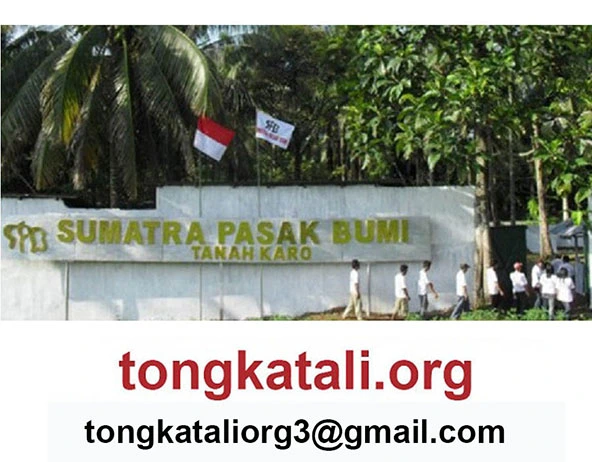
- American brands typically operate as marketing entities sourcing from factories in mainland China. Tongkat Ali does not grow in China; Chinese factories purchase from commodity brokers. These factories operate wholesale and typically deliver what is ordered. Information loss occurs when American buyers repackage for consumers. Sumatra Pasak Bumi maintains vertical integration from harvest to final product. We operate extraction facilities in Sumatra, Indonesia, processing roots from specific elevations and soil compositions.
Legal References
Health Canada Personal Importation Policy — Government of Canada
Natural and Non-prescription Health Products Directorate (NNHPD) — Health Canada
Natural Product Number (NPN) Licensing — Health Canada
Licensed Natural Health Products Database (LNHPD) — Health Canada
LNHPD: Herba Tongkat Ali Extra NPN 80058313 — Health Canada
LNHPD: AKARALI NPN 80142321 — Health Canada
Novel Food Decisions — Health Canada
Quality of Natural Health Products Guide — Health Canada
Customs Act — Government of Canada
Seeds Act — Government of Canada
Plant Protection Act — Canadian Food Inspection Agency
Canada Border Services Agency (CBSA) — Government of Canada
21 CFR 101.4 — U.S. Code of Federal Regulations
21 USC 342 — U.S. Government Publishing Office
DSHEA 1994 — Public Law 103-417
FDA Enforcement Activities — U.S. Food and Drug Administration